
For millions of smallholder farmers worldwide, the most devastating losses happen in the critical hours after harvest. While they master the art of growing, a silent crisis unfolds in storage sheds and market stalls.
The Scale of the Problem
In Uganda, farmers lose about 22% of their crop harvest significantly impacting their livelihoods and food security.
Across Africa, this crisis reaches staggering proportions, with 60% of all grown crops wasted due to post-harvest losses .
The implications extend far beyond empty stomachs. Each spoiled harvest deepens cycles of poverty and food insecurity, forcing farmers to sell quickly at depressed prices before their hard work rots away.
An Open Source Innovation
What if the solution was a collaboratively developed, freely available innovation that communities could adapt and own?
Leading this charge is FarmFreeze, an Open Source initiative developed by ClimaVault Africa with support from EnAccess, designed to democratise access to affordable, solar-powered cold storage for smallholder farmers worldwide. Unlike proprietary systems that often remain out of reach, FarmFreeze provides complete technical designs, Open software, and comprehensive operational guides that enable anyone to build, adapt, and implement reliable cold storage tailored to local needs.
“FarmFreeze has opened my eyes and mind,” says Turyatemba Jackson, a tomato farmer from Kyegegwa, Uganda. “It has helped me to keep my produce fresh, so I can wait to sell it for the market prices I am willing to sell at. We no longer have a lot of food waste; we are no longer crying about fluctuating market prices. To my fellow farmers, this is the way to go. This is the answer we have been looking for.”
The FarmFreeze system represents a marriage of appropriate technology and modern innovation:
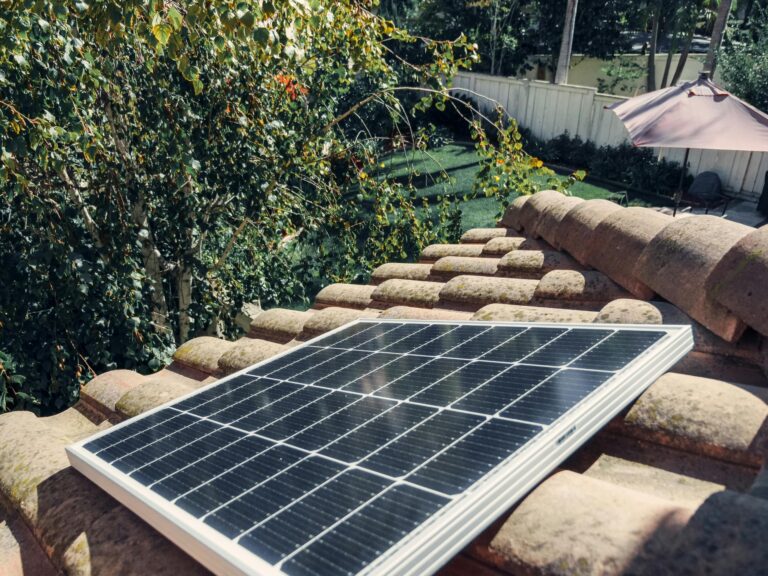
• Solar-Powered Design: Using photovoltaic panels to power efficient cooling systems, the technology operates completely off-grid, making it ideal for remote rural areas.
• IoT Integration: Modern sensors monitor temperature, humidity, and energy consumption in real-time, allowing for optimised performance and early problem detection.
• Adaptable Architecture: The Open Source nature means the designs can be modified for different climates, crops, and local materials.
This Open Source solution perfectly aligns with the three pillars of climate-smart agriculture:
• Energy Efficiency: By harnessing solar power instead of grid electricity, these systems reduce dependence on fossil fuels and minimise operational costs.
Resilience Building: Extending the shelf life of produce from mere days to weeks helps farmers weather market fluctuations and climate disruptions.
Emission Reduction: Preventing spoilage means reducing methane emissions from rotting organic waste in landfills.
The Way Forward
As these solutions continue to evolve and spread, they represent a new paradigm for smart agricultural development that is inclusive, adaptable, and community-owned.
The future of food security may well depend on our willingness to embrace such collaborative approaches, where innovation isn’t locked away behind patents but shared freely to empower those who feed our world.
Through initiatives like FarmFreeze, we’re witnessing the emergence of a more resilient, equitable, and sustainable food system, one Open Source solution at a time.